
NovoPosters
Subject

poster – feather sexing novogen white
Feather sexing is based on differences in feather characteristics between females and males. Commercial day-old female chicks are fast feathered and all commercial day-old male chicks are slow feathered. 🐥
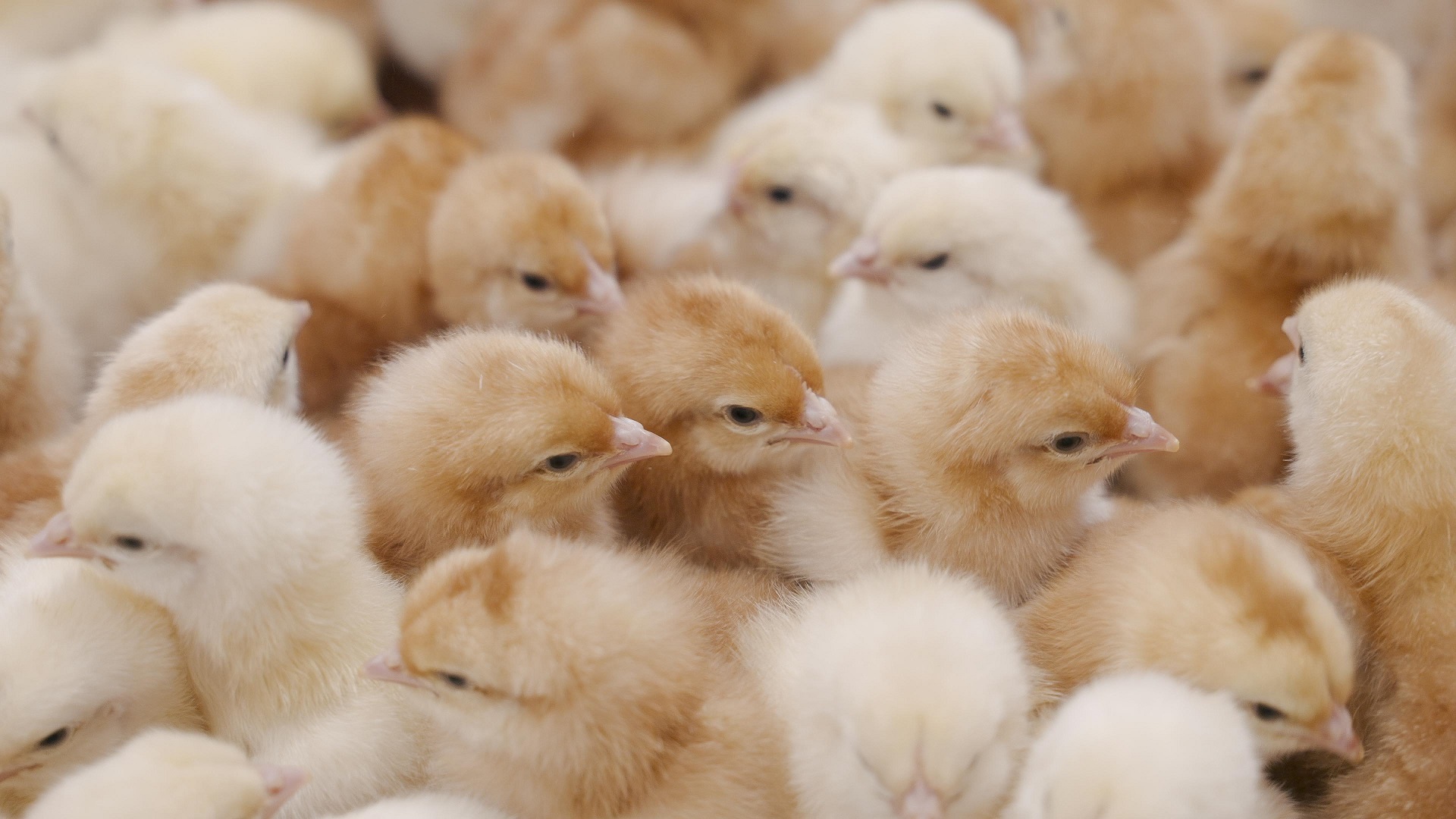
poster – color sexing novogen brown
Based on the color of the down, the day-old chicks can easily be sorted by sex. Female day-old chicks have uniformly brown colored down, or brown with white stripe in the middle of the back. Male day-old chicks are white or show light stripes. (Some exceptions can be found) 🐣
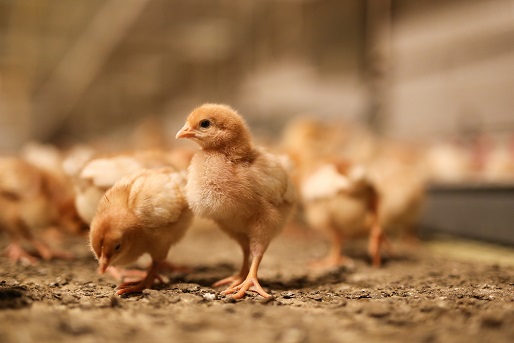
key points in rearing period – DARK AND OPEN house
A major aspect of achieving successful layer flocks is ensuring good pullet quality. During the rearing period, close attention must be paid to flock growth and preparation for laying.
👇 If you want to know more about the rearing period, you can download our poster 👇
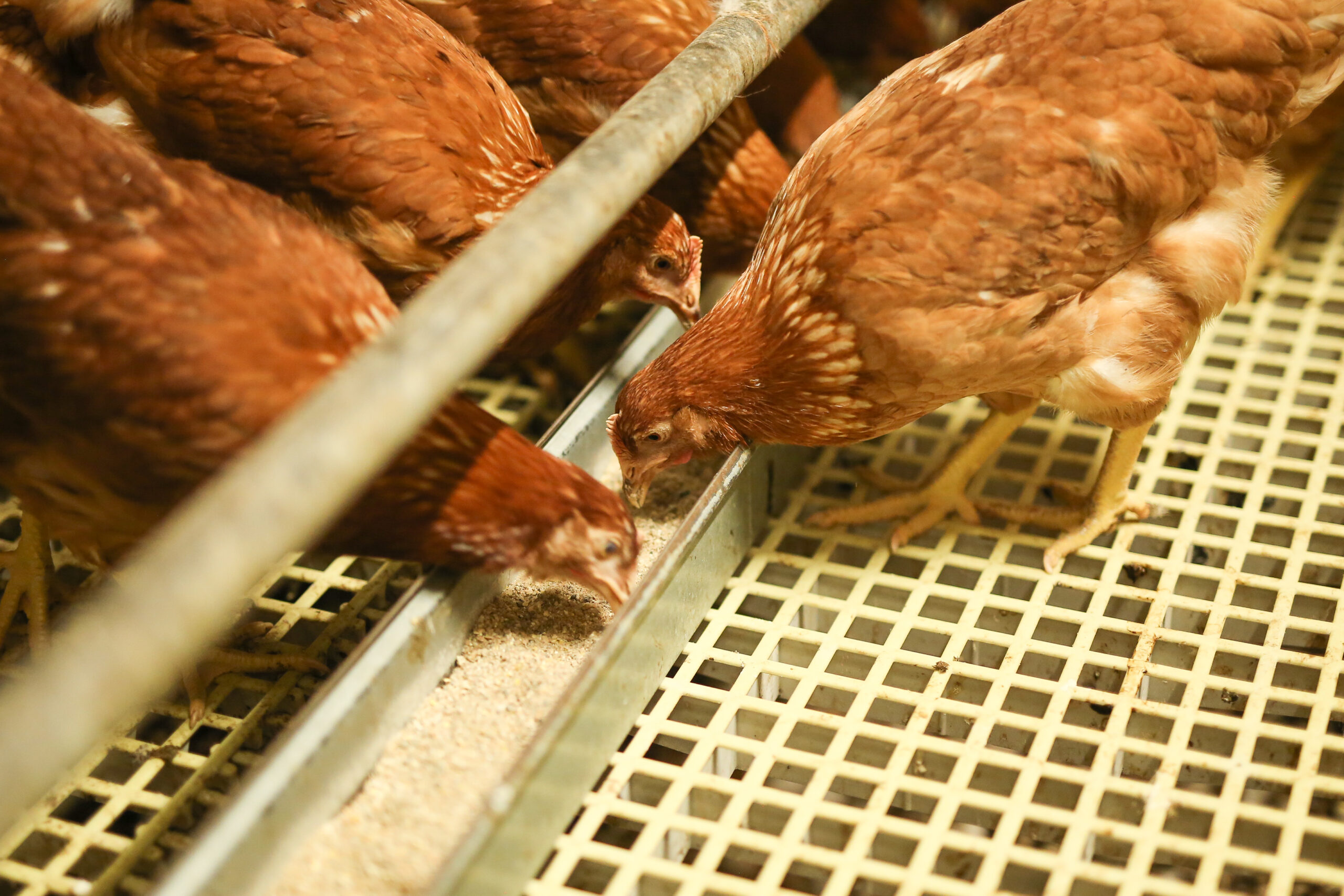
Feed presentation
Feed consumption results from a choice implying particle selection. Being grain eaters, poultry’s consumption is related to feed presentation. Poultry preferably eats particles over mash, presentation of finely ground feed may lead to reduced feed intake.

Poster – Hatching eggs selection
Hatching egg quality is a crucial parameter to maximize the number of day-old chicks produced per hen and thus the profitability of the breeder flock. Starting from the oviposition at farm, special care must be given to the hatching eggs to preserve their hatchability potential.
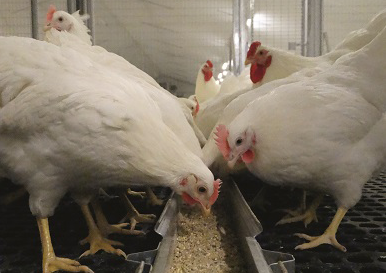
poster – Feed distribution in practice
In order to optimize the genetic potential of a laying hen, feeding techniques should be adapted to its natural behavior. Its abilities of feed storage in the digestive tract and higher consumption in the last hours of the day have to be used for a better coverage of its needs in production or during the rearing period.