
Experts articles
Subject
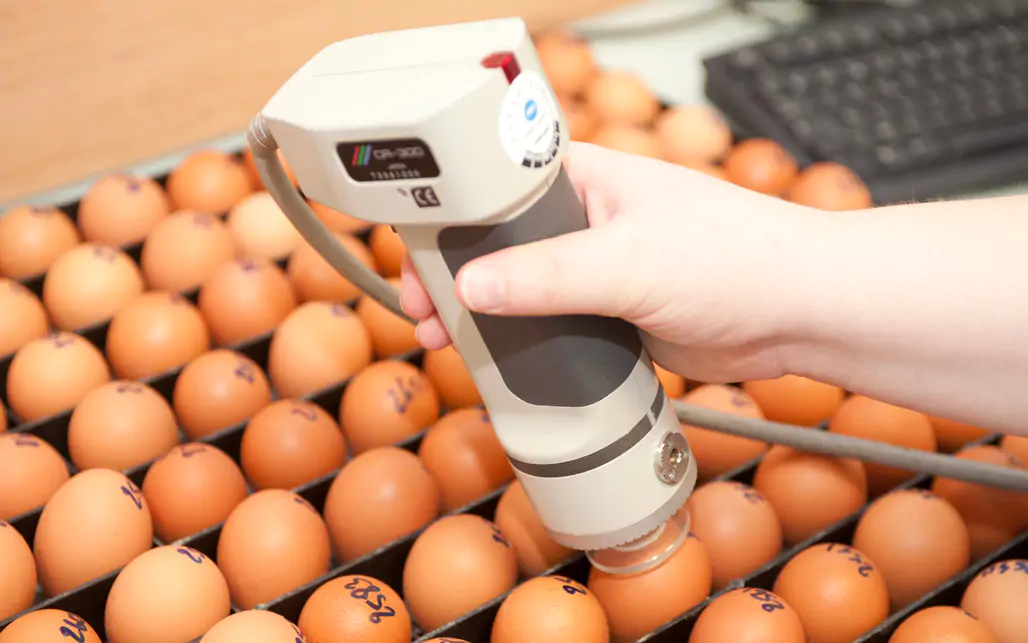
Eggshell Color Measurement: A Key Selection Criterion
Eggshell color is a major egg quality criterion and an important trait in Novogen’s breeding program. An objective and individual measurement provides a valuable tool for our selection program. The aim is to accurately quantify...
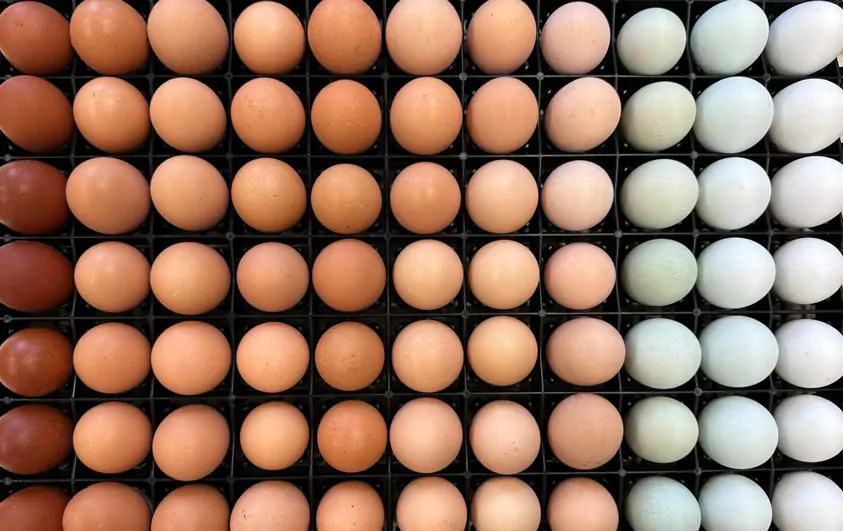
Eggshell Color in Laying Hens: Origin, Diversity, and Selection Challenges
Eggshell color is one of the most visible characteristics of an egg and an important criterion for consumers. From pure white to dark brown, and including blue or green, this diversity of colors fascinates both...
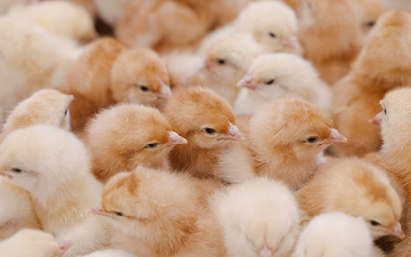
Best Practices for a Successful Vaccination in Hatcheries
Hatcheries are the starting point of poultry production, and their role in disease prevention is critical. Among the most effective tools for protecting flocks and ensuring food safety is vaccination. When combined with strict biosecurity...

Early Immune Development in Chicks
The immune system of a newly hatched chick is only partially mature. Consequently, the chick cannot provide full protection against pathogens when it first encounters the external environment after hatching (Fred Davison et al., 2008)....

Optimizing Table Egg Size: A Multifaceted Approach to Meet Market Demands
Table eggs are an indispensable source of protein in many countries. They are preferred as a protein source due to high-quality protein content and versatility in cooking. However, the preferred egg size may vary significantly...

Utilisation of feed additives for laying hens nutrition
Precise nutrition using high quality feed is one of the most important criteria for achieving genetic goals. Feed additives are often used by nutritionists because of their advantages in maintaining gut health and integrity and...

Water management in a poultry house
Water is an important nutrient, as its intake is significantly higher than feeds (around 1.7 times in temperate climate, 3 times or more sometimes in tropical weather). Therefore, water is the first intake for a...

New update of Novogen Nutrition information
In the last few weeks, we have announced the update of our standard of production as well as our management guide. There are now available on our Novocenter, with updated information and a fresh new visual.

How to limit the impact of heat stress on layers with nutrition and management
Temperatures higher than 24°C could affect hen performance with an impact on the daily feed intake and consequently a decrease in egg numbers, shell quality and egg weight, etc. Heat stress could have tremendous impact...